
Being accused of possessing drug paraphernalia in Florida can lead to criminal penalties and a lasting record. However, not every object associated with drug use automatically qualifies as illegal paraphernalia. Prosecutors must establish the elements of the specific offense and present sufficient evidence to support the allegations.
Understanding drug paraphernalia charges florida laws can help defendants learn what the state must prove, what evidence may be considered, and how a criminal defense attorney may challenge the case.
What Is Considered Drug Paraphernalia in Florida?
Under Florida Statute § 893.145, drug paraphernalia includes equipment, products, and materials used, intended for use, or designed for use in connection with certain controlled substances. Examples may include:
- Pipes, bongs, and other devices used to consume controlled substances.
- Scales used to weigh illegal drugs.
- Containers used to package, store, or conceal controlled substances.
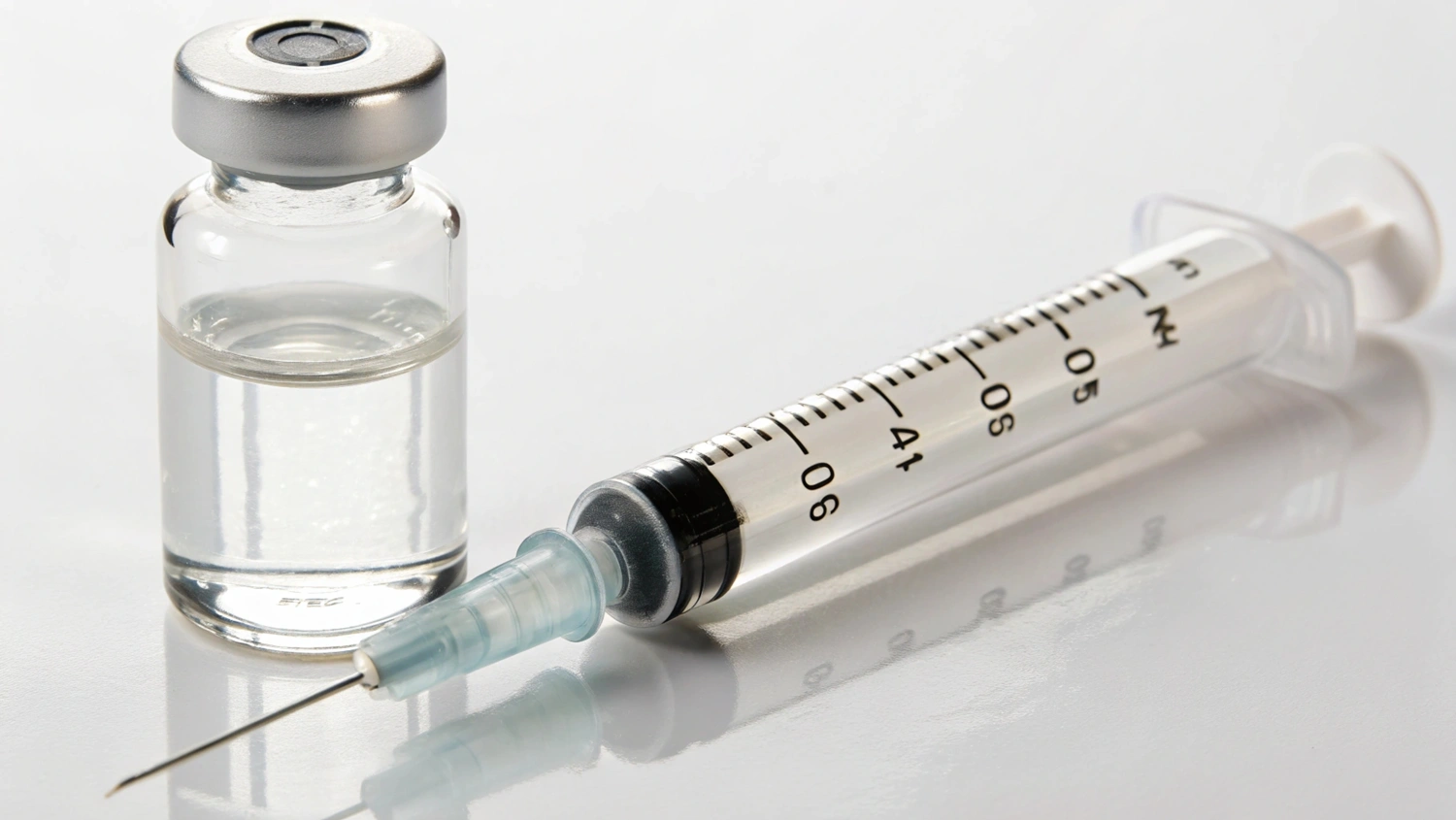
- Syringes and needles intended for unlawful drug injection.
- Equipment used to prepare, process, or manufacture controlled substances.
The purpose of an object matters. Items such as glass containers, scales, and syringes may have legitimate uses, so their presence alone does not necessarily establish a criminal offense.
What Prosecutors Need to Establish in a Drug Paraphernalia Case
The evidence required depends on the specific charge. For a typical use or possession charge under Florida Statute § 893.147(1), prosecutors generally must establish that the defendant used the paraphernalia or possessed it with the intent to use it for a prohibited purpose involving a controlled substance.
Several factors may become important during the case.
1. The Object Qualifies as Drug Paraphernalia
The prosecution must provide evidence supporting the claim that the item meets Florida’s legal definition of drug paraphernalia. Its appearance, design, intended purpose, and surrounding circumstances may be relevant.
Florida law identifies several factors courts may consider, including instructions accompanying an item, advertising, residue, expert testimony, and whether the object has legitimate uses. These considerations help distinguish ordinary household or commercial items from equipment intended for unlawful drug-related activity.
2. The Defendant Used or Possessed the Item
Prosecutors must connect the defendant to the alleged conduct. Finding an item in a shared vehicle, residence, or common area does not automatically establish that a particular person possessed or used it unlawfully.
Evidence may include witness statements, photographs, physical evidence, or other circumstances linking the defendant to the item. The strength of that connection can be an important issue in the defense.
3. The Required Intent Existed
For a possession charge under § 893.147(1), the state must establish that the defendant possessed the item with the intent to use it for one of the prohibited purposes described in the statute, unless the allegation is based on actual use.
Intent may be inferred from the circumstances, such as the presence of drug residue, nearby controlled substances, or statements about the item’s purpose. However, an inference is not the same as automatic proof of guilt.
4. The Evidence Supports the Specific Offense Charged
Florida law addresses several paraphernalia-related offenses, and each has different requirements. For example, manufacturing or delivering paraphernalia with the required knowledge may constitute a third-degree felony under § 893.147(2). Certain delivery offenses involving minors carry different penalties.
The prosecution must establish the elements applicable to the actual charge rather than relying solely on the fact that an item was found.
What Evidence Can Be Used Against You?
In a paraphernalia case, prosecutors may rely on physical evidence, laboratory findings, photographs, witness testimony, statements, or the circumstances surrounding a search.
Florida Statute § 893.146 provides factors for determining whether an object qualifies as paraphernalia. These include its proximity to controlled substances, the presence of residue, statements concerning its use, and evidence of legitimate uses.
However, the way evidence was obtained may also matter. If law enforcement conducted an unlawful search or seizure, a defense attorney may examine whether there are grounds to challenge the evidence in court.
Potential Penalties for Drug Paraphernalia Offenses in Florida
The consequences depend on the alleged offense and the circumstances of the case.
Under Florida Statute § 893.147(1), unlawful use or possession of drug paraphernalia is generally a first-degree misdemeanor. A conviction may carry a penalty of up to one year in jail and a fine of up to $1,000 under Florida’s general misdemeanor sentencing provisions.
Other paraphernalia-related offenses, including certain manufacturing, delivery, or transportation violations, may be classified as felonies. Additional consequences can depend on the nature of the charge and the defendant’s criminal history.
A conviction may also affect employment opportunities, housing applications, and other aspects of a person’s future.
How Can a Defense Attorney Challenge the Charges?
A criminal defense attorney can review the evidence and assess whether the prosecution can establish every required element. Possible defense approaches may vary based on the details of the case, including:
- Challenging possession: Examining whether the evidence actually connects the defendant to the item.
- Disputing intent: Questioning whether the object was intended for an unlawful drug-related purpose.
- Examining the item’s use: Presenting evidence that the object has a legitimate purpose.
- Reviewing search procedures: Determining whether law enforcement respected applicable constitutional protections.
- Questioning the evidence: Evaluating the reliability of witness accounts, physical evidence, and other allegations.
The appropriate defense depends on the facts, the specific charge, and the evidence available. No particular strategy guarantees a dismissal or acquittal.
Protect Your Rights When Facing Drug Paraphernalia Charges
An accusation does not automatically establish guilt. Understanding what prosecutors must prove can help you recognize the issues that may affect your case and the importance of reviewing the evidence carefully.
If you are facing drug paraphernalia charges florida authorities have brought against you, Key West Criminal Defense can help you understand the allegations and explore potential defense options. Contact the firm to discuss your situation and learn about the legal steps available to protect your rights.